Dominance Is Not Monopoly — Unless Government Allows It
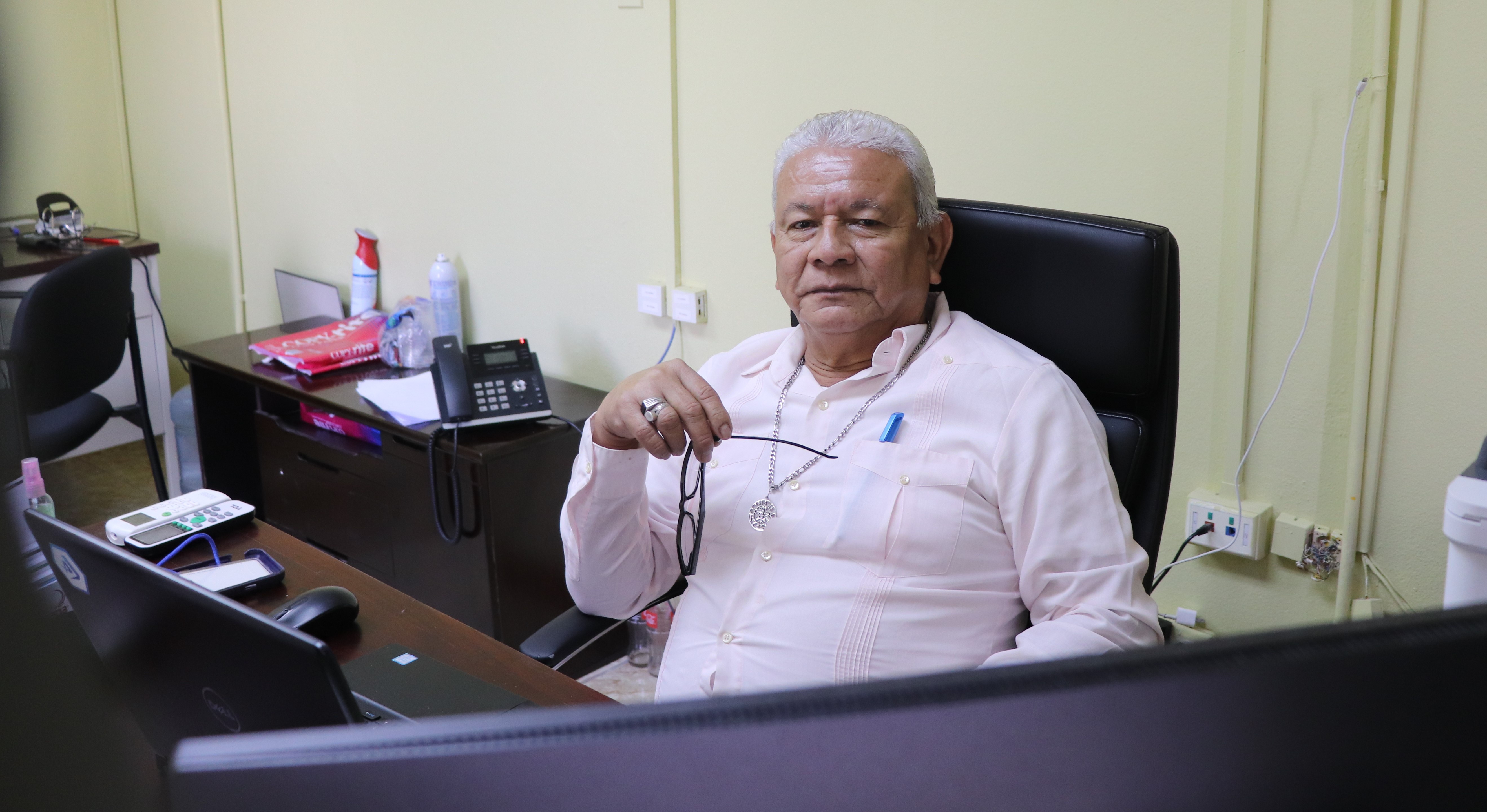
By: Omar Silva, Editor/Publisher
National Perspective Belize – Digital 2026
Belize City: Thursday 12th March 2026
EDITORIAL
The Public Utilities Commission has now confirmed what many Belizeans suspected: Belize Telemedia Limited is the dominant telecommunications provider in Belize.
Dominance, the PUC explains, is not wrongdoing. It simply means a company possesses the economic strength to operate largely independent of competitors or customers.
That is an important distinction.
But it also leads to an unavoidable national question.
If BTL is already dominant, why was the government pushing so aggressively for BTL to acquire its largest competitor, SMART?
That question deserves a serious answer.
The Puzzle That Belizeans Cannot Ignore
The controversy surrounding the proposed BTL acquisition of Speednet/SMART did not emerge in a vacuum. It exploded because Belizeans began connecting dots that appeared increasingly difficult to ignore.
Consider the structure that has been widely discussed in public discourse:
- The Ashcroft Alliance reportedly controls more than 80 percent of Speednet/SMART.
- Centaur Communications has long been associated with Prime Minister John Briceño’s business interests.
- NEXGEN, a cable company mentioned in earlier acquisition discussions, has been linked to BTL Chairman Mark Lizarraga via his brother.
When a state-controlled company proposes to purchase multiple entities tied to powerful political and corporate actors, questions naturally arise.
Not accusations.
Questions.
And the most obvious question is this:
Why would a government-controlled telecommunications company attempt to purchase such a wide cluster of telecom and cable assets all at once?
The Debt Question
Another issue that has troubled observers is the financial structure such acquisitions typically create.
Large acquisitions are rarely paid entirely in cash. They often involve financing structures that can leave the acquiring company carrying substantial obligations to the sellers.
In a small market like Belize, that raises legitimate policy concerns.
If a dominant telecommunications provider assumes major financial obligations to powerful corporate interests connected to the assets it acquires, it creates a complicated dynamic that regulators must examine carefully.
It is precisely for situations like this that independent regulation exists.
The Role of the Public Utilities Commission
This is where the PUC becomes central to the story.
The Commission has now declared BTL dominant across multiple telecommunications markets. That determination gives regulators the authority to impose safeguards designed to protect competition and consumers.
Those safeguards exist for one simple reason:
Dominant firms must be regulated carefully so that dominance does not become monopoly.
The Telecommunications Act anticipates exactly this risk.
The Real Issue
The core issue now confronting Belize is not whether BTL is a strong company. It clearly is.
The real issue is whether public policy will allow the country’s dominant telecommunications provider to absorb its largest competitor and reshape the market entirely.
That decision will affect:
- consumer pricing
- infrastructure access
- future market competition
- and the long-term structure of Belize’s digital economy
These are not small matters.
Telecommunications is the nervous system of a modern economy.
The Only Way Forward
For that reason, the path forward must be guided by three simple principles:
- Transparency.
Belizeans must know the full details of any proposed transaction. - Regulatory independence.
The PUC must be allowed to conduct its review free from political pressure. - Public interest first.
No merger, acquisition, or restructuring should move forward unless it demonstrably benefits the Belizean people.
The Bottom Line
The PUC has clarified the facts.
BTL is already dominant.
What happens next is not simply a corporate decision.
It is a national policy choice.
Dominance is not monopoly — unless government allows it.
And that is the decision Belize must now face.
“In a small country, monopoly is not an accident. It is always a decision.”
“Competition protects citizens. Monopolies protect insiders.”
- Log in to post comments