“Barcelona and Beyond: Is Belize Ready to Break the Master–Slave Political Cycle?”
A WORLD REPOSITIONING—AND BELIZE WATCHING FROM THE SIDELINES
By: Omar Silva – Editor/Publisher
NATIONAL PERSPECTIVE BELIZE
Belize City: Sunday 19th April 2026
SUNDAY SPECIAL FEATURE
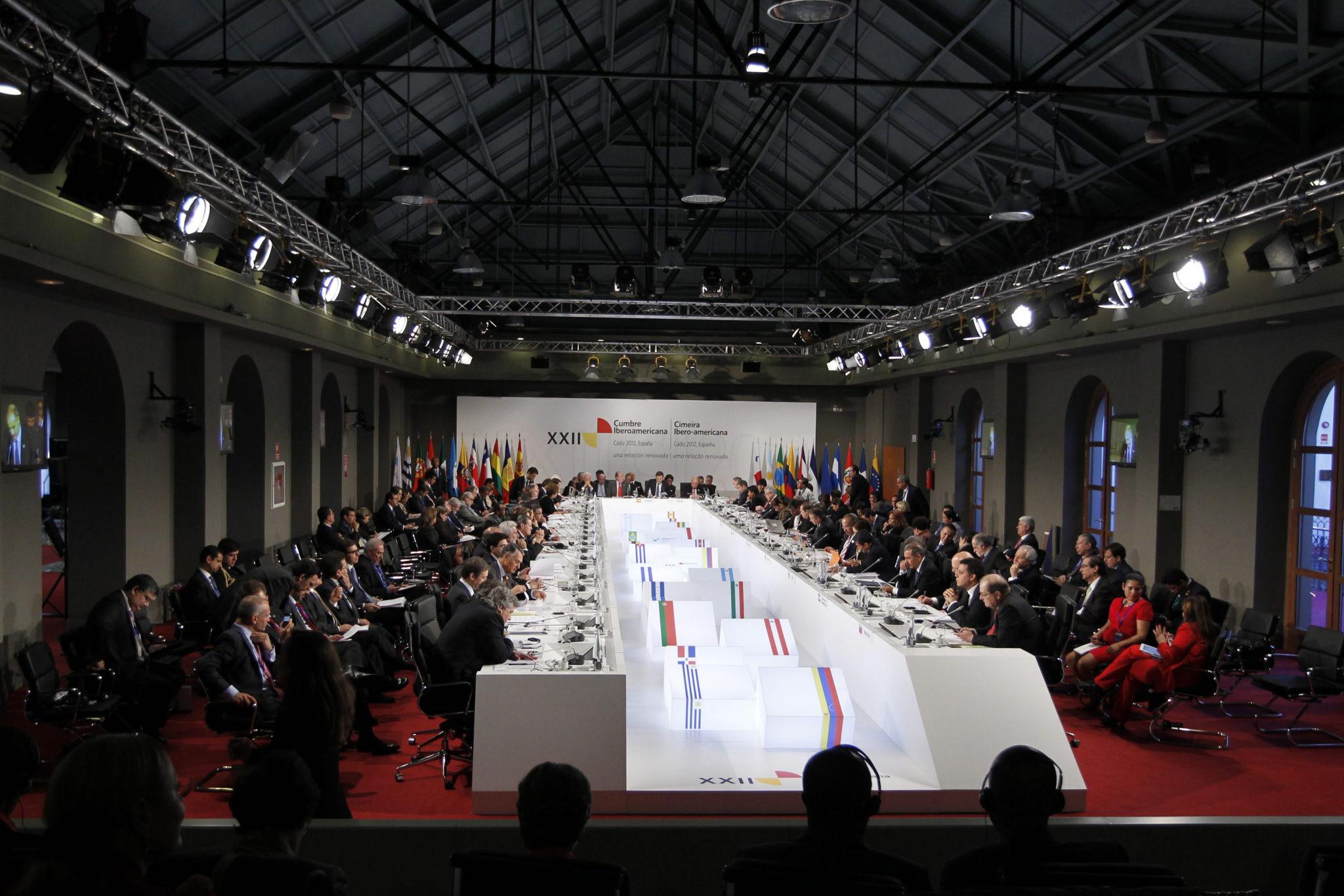
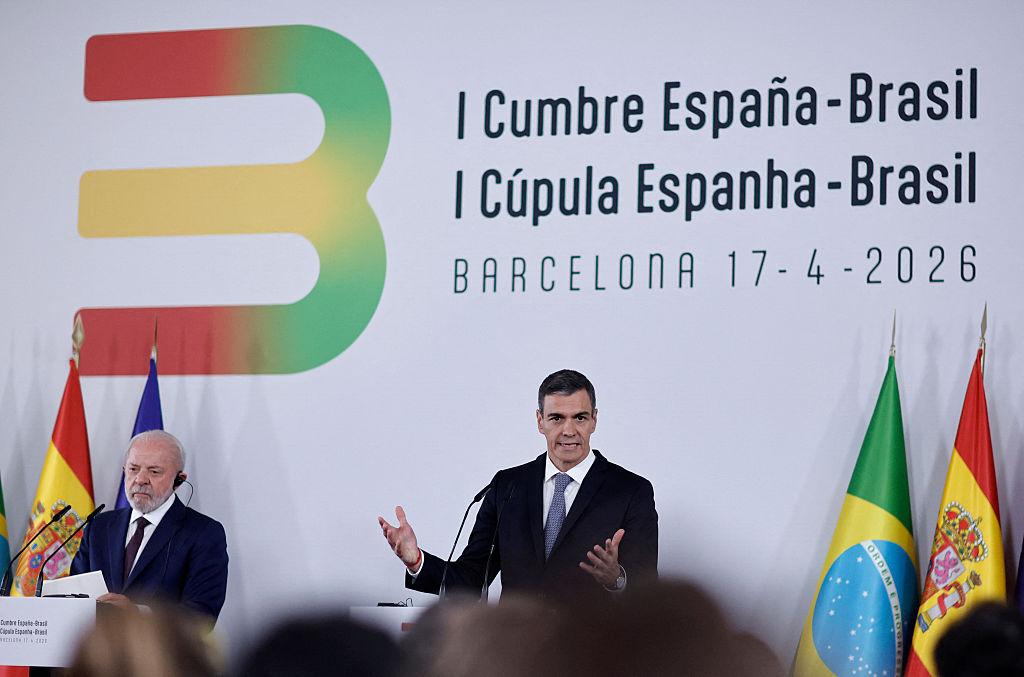
In the historic corridors of Barcelona, a quiet but powerful shift is taking place. Leaders from across Europe and Latin America are no longer whispering concerns about global imbalance—they are speaking them aloud.
At the centre of this evolving dialogue are figures such as:
- Pedro Sánchez (Spain 🇪🇸)
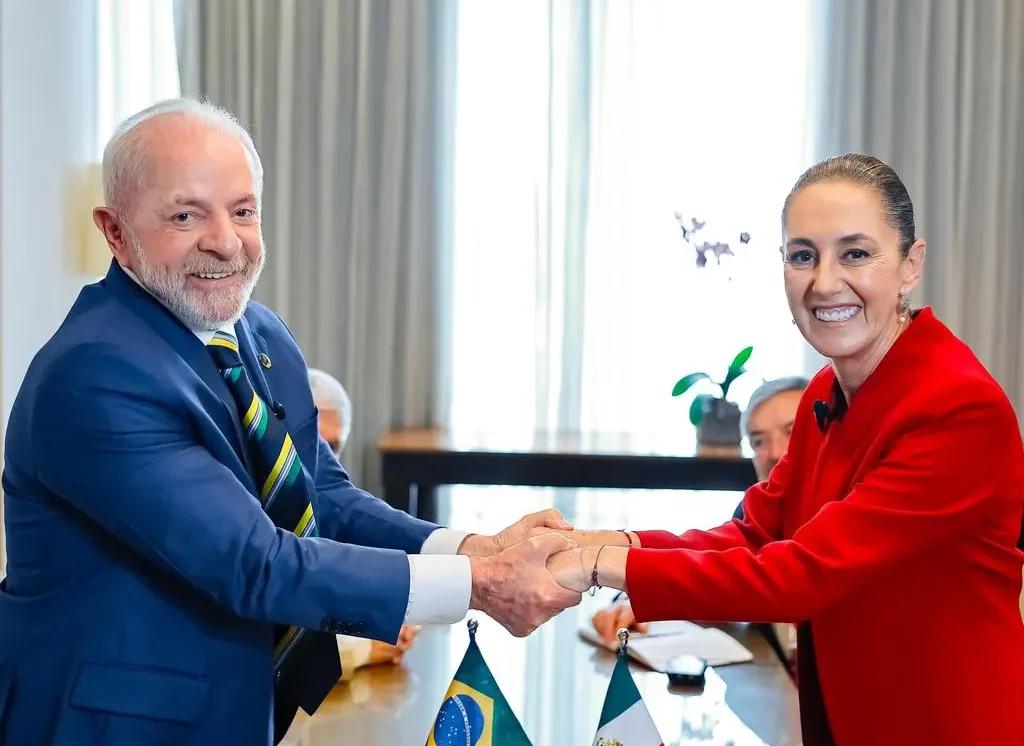
- Luiz Inácio Lula da Silva (Brazil 🇧🇷)
- Claudia Sheinbaum (Mexico 🇲🇽)
- Political allies and ideological voices aligned with Bernie Sanders (United States 🇺🇸 – progressive wing)
Countries represented or aligned in this broader summit dynamic include:
Europe:
- Spain 🇪🇸
- France 🇫🇷
- Germany 🇩🇪
- Portugal 🇵🇹
Latin America & Caribbean:
- Brazil 🇧🇷
- Mexico 🇲🇽
- Argentina 🇦🇷
- Chile 🇨🇱
- Colombia 🇨🇴
- Honduras 🇭🇳
- Caribbean representation through CARICOM-aligned participation
This is not just a meeting—it is a realignment of voices.
THE MESSAGE: MULTIPOLARITY OVER DOMINATION
The leaders gathered are pushing a simple but powerful idea:
👉 The world must no longer operate under a single center of power.
For decades, global order has been shaped largely by the United States—especially under leadership models such as that seen during Donald Trump, where unilateral decisions, trade wars, and selective diplomacy redefined global engagement.
But Barcelona signals resistance to that model—not through confrontation, but through collective alternative thinking:
- Diplomacy over coercion
- Sovereignty over dependency
- Partnership over patronage
BRINGING IT HOME: BELIZE AND THE “MASTER–SLAVE” SYNDROME
Now, let us speak plainly.
Belize remains psychologically and structurally tied to an outdated model of governance—one that can only be described as:
A Master–Slave Political Syndrome
Not in chains—but in policy, dependency, and mindset.
For over four decades since independence in 1981, Belize has:
- Deferred economic direction to foreign institutions
- Accepted conditional funding without structural transformation
- Allowed political elites to act as intermediaries—not architects
👉 The result?
A nation politically independent—but economically and psychologically subordinate.
THE HARD TRUTH: BELIZE HAS NOT TAKEN A POSITION
While countries like Brazil and Mexico assert sovereignty on the global stage, Belize continues to:
- Align quietly rather than speak boldly
- Follow rather than negotiate
- Accept rather than challenge
Even when opportunities arise—such as regional alliances through SICA, CARICOM, or Latin American integration—Belize hesitates to define its own independent voice.
WHY BARCELONA SHOULD SHAKE BELIZE AWAKE
This summit is not about Spain or Brazil alone.
It is a mirror.
A reflection of what is possible when nations:
- Reject imposed economic frameworks
- Build regional solidarity
- Demand equal footing in global decision-making
Countries like Brazil under Lula are openly challenging dependency models tied to institutions like the IMF.
Mexico under Sheinbaum is prioritizing national development with stronger state involvement.
Spain is attempting to bridge Europe with Latin America on more equal terms.
👉 And Belize?
Still negotiating from a position of permission, not power.
THE COST OF CONTINUED SUBMISSION
If Belize does not recalibrate its stance, the consequences are not theoretical—they are already visible:
- Rising cost of living driven by import dependency
- Weak industrial base
- Limited bargaining power in global trade
- Political leadership more responsive to external approval than internal demand
This is not governance.
This is managed dependency.
A WAY FORWARD: FROM SUBJECT TO STATE ACTOR
Belize must begin the transition—from passive participant to active shaper.
1. Assert Economic Sovereignty
- Diversify trade beyond traditional partners
- Explore regional production alliances with Mexico and Central America
2. Reframe Foreign Policy
- Engage as an equal—not a beneficiary
- Take positions on global issues that reflect Belizean interests
3. Strengthen Regional Identity
- Deepen integration within CARICOM and SICA—not symbolically, but strategically
4. Break the Psychological Barrier
- Move away from the colonial mindset of “approval seeking”
- Cultivate leadership that negotiates—not complies
FINAL REFLECTION: A QUESTION FOR EVERY BELIZEAN
Barcelona is not just a summit.
It is a signal.
A signal that the world is changing—whether Belize chooses to or not.
👉 The question is no longer whether global power is shifting.
👉 The question is:
Will Belize rise with it—or remain comfortably dependent?
- Log in to post comments