Dependency Has a Price: Why Belize Pays for Wars It Did Not Start
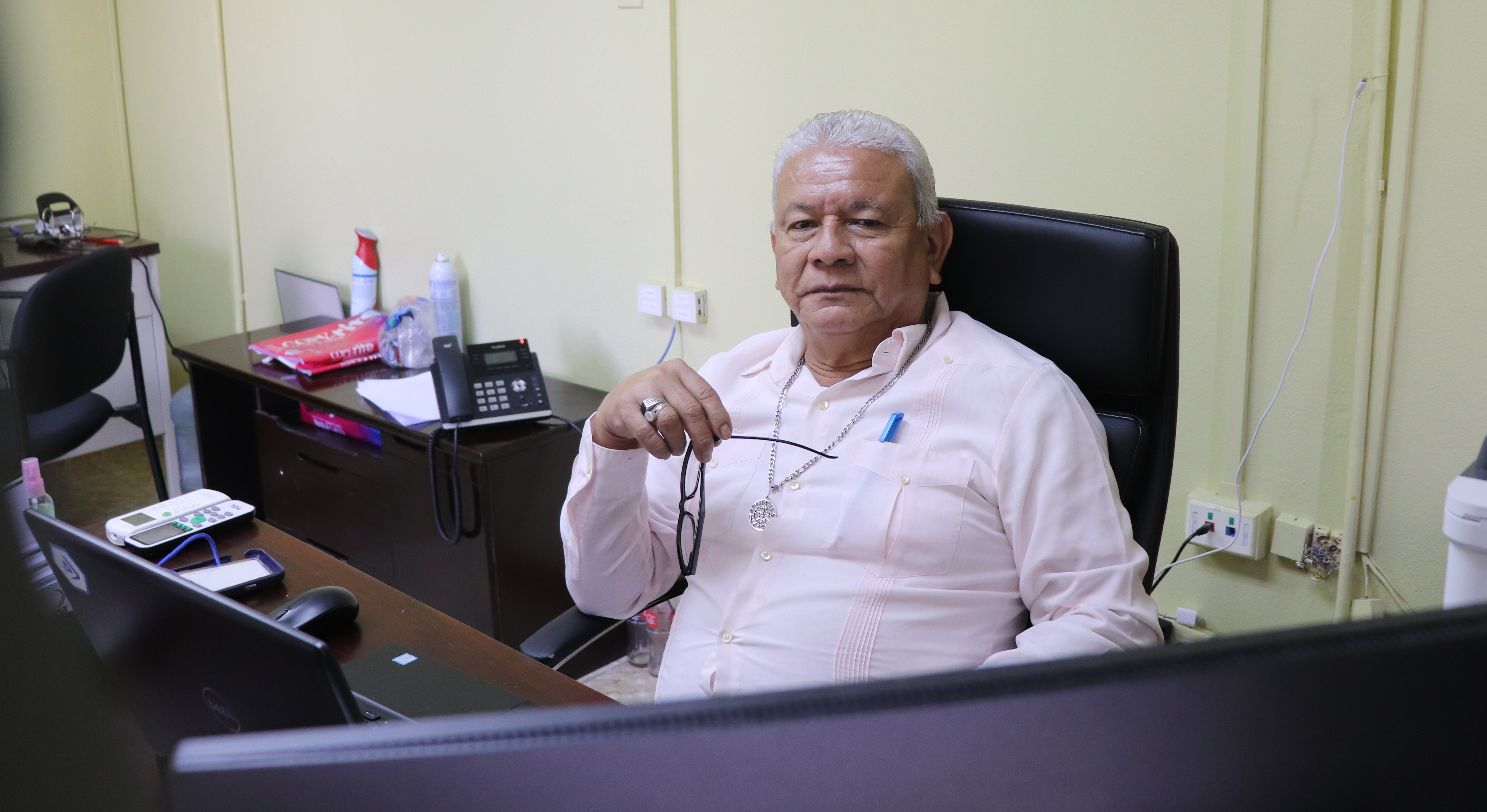
By Omar Silva – Editor/Publisher
National Perspective Belize Digital 2026
www.nationalperspectivebz.com
Belize City: Wednesday 11th March 2026
A National Perspective Editorial
The missiles flying across the Persian Gulf will never land in Belize.
Yet Belize will still pay for them.
Every time conflict erupts in the Middle East and oil markets panic, small import-dependent countries like Belize receive the economic aftershocks almost immediately. The war may unfold near the Strait of Hormuz, but its financial consequences travel quickly across oceans and arrive quietly at the Belizean gas pump.
Belize did not start the conflict between United States and Iran.
Belize has no warships in the Persian Gulf.
Belize has no vote in the geopolitics that shape global energy markets.
Yet Belize will pay.
That is the harsh arithmetic of economic dependency.
The Silent Tax of Dependency
When global oil prices surge, the impact spreads through Belize’s economy like a rising tide.
Fuel prices climb first.
Then transportation costs follow.
Food prices rise next.
Electricity costs eventually creep upward.
Within months, the entire cost of living shifts — not because Belize made a decision, but because the global energy system did.
This is not merely inflation.
It is a dependency tax paid by small nations that rely entirely on imported energy.
The Peg That Locks Belize Into the Storm
Belize’s monetary system magnifies this vulnerability.
The Belize dollar remains pegged at two-to-one with the United States dollar.
In calm economic waters, the peg provides stability.
But during global shocks, it becomes a constraint.
Belize cannot adjust its currency to soften rising import costs.
Belize cannot redesign global supply chains.
Belize simply absorbs the impact.
And when oil prices surge, the impact is immediate.
A Country That Imports Almost Everything
The deeper problem is structural.
Belize imports:
- its fuel
- most manufactured goods
- significant portions of its food
- machinery, chemicals, and industrial inputs
This model leaves the nation exposed to global volatility.
A crisis in shipping lanes thousands of miles away can reshape the Belizean economy almost overnight.
And the Strait of Hormuz is not just any shipping lane.
It is the narrow artery through which a fifth of the world’s oil supply moves.
When that artery tightens, the entire global economy feels the pressure.
The Political Silence
Yet in Belize, discussions about economic vulnerability remain strangely quiet.
Politicians debate budgets.
They argue about taxes.
They trade accusations across the parliamentary aisle.
But the deeper structural question rarely surfaces:
Why does Belize remain so exposed to global economic shocks?
Why does a country blessed with land, sunlight, agriculture, and strategic geography remain so dependent on imported energy and goods?
And most importantly:
What is the long-term plan to change that reality?
Sovereignty Is More Than a Flag
Political independence alone does not guarantee economic independence.
True sovereignty requires resilience.
It requires domestic production.
It requires energy diversification.
It requires strategic thinking about how a nation feeds, powers, and sustains itself.
Without those foundations, every global crisis becomes a domestic crisis.
And Belize has experienced this cycle repeatedly.
- Oil shocks.
- Shipping disruptions.
- Food price spikes.
- Foreign financial pressure.
Each time the pattern repeats.
The Reckoning
The unfolding tensions in the Persian Gulf offer a blunt reminder.
Small countries do not control the forces that shape global markets.
But they can decide whether to remain permanently vulnerable to them.
Belize now faces a choice that extends beyond fuel prices and inflation statistics.
It is a choice about economic structure.
About national resilience.
About whether the country continues to drift through global storms — or finally begins building the economic foundations that allow it to withstand them.
Signature Line
When a nation depends entirely on what others produce, every war in the world eventually becomes its problem.
- Log in to post comments