Belize Cannot Finance Its Way to Transformation
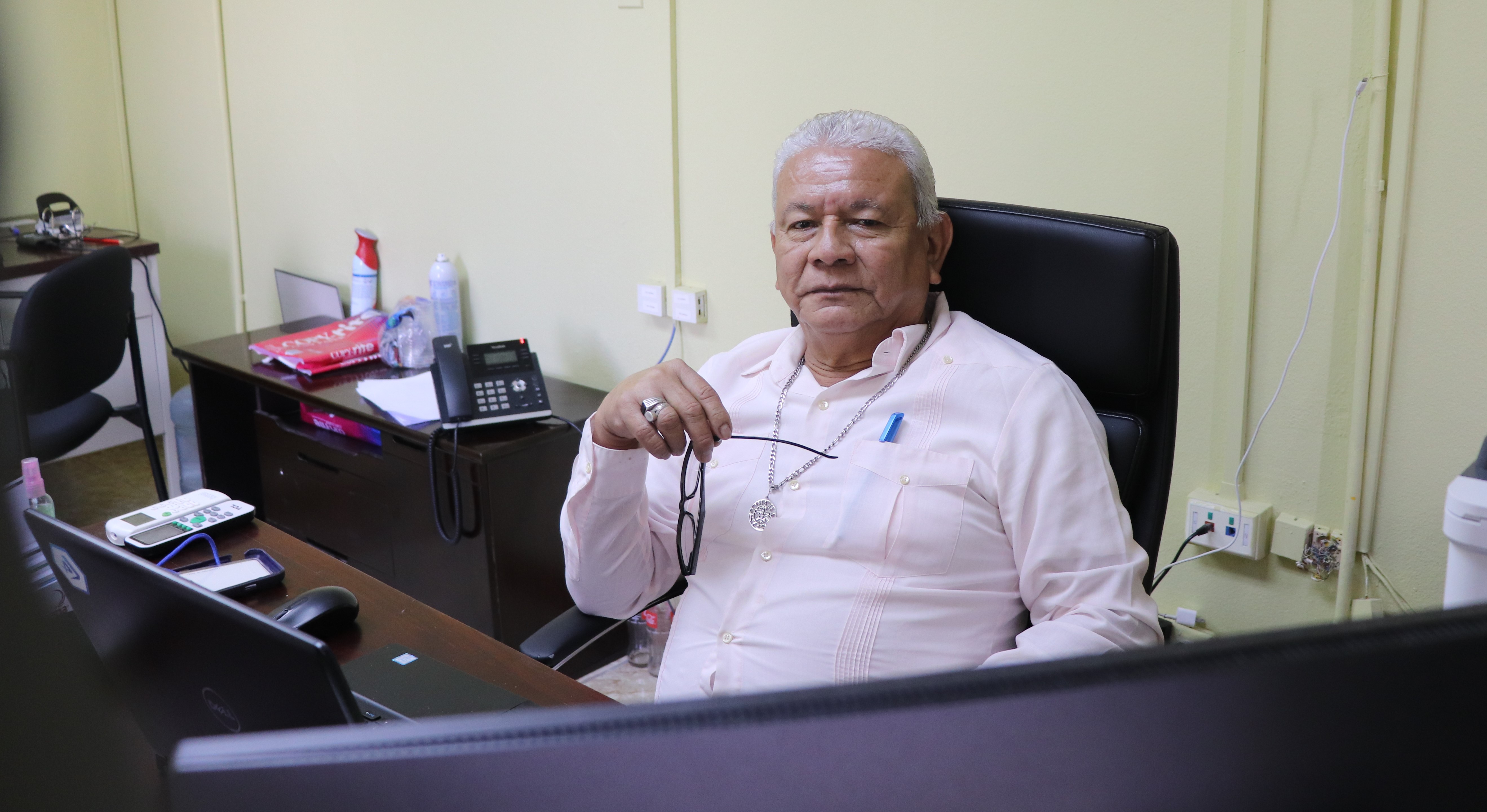
By: Omar Silva, Editor/Publisher
A National Perspective Belize
Belize City: Thursday 12th March 2026
Editorial
Belize has become very good at attending meetings.
Delegations travel, communiqués are issued, partnerships are praised, and development cooperation is celebrated. The language is always reassuring: collaboration, opportunity, integration, sustainable development.
The recent meetings in San Salvador were no exception. Belize discussed climate finance, regional cooperation, concessional funding, scholarships, infrastructure assistance, and entrepreneurship programs.
All of these sound positive.
But none of them answer the question Belize must now confront honestly:
Can a country finance its way to economic transformation?
The uncomfortable truth is that it cannot.
For decades Belize has operated within a development model built on external financing—grants, concessional loans, development programs, and donor-supported initiatives. Each new agreement promises progress. Each new project promises improvement.
- Yet the structure of the Belizean economy remains largely unchanged.
- We still export primarily raw agricultural commodities.
- We still import the overwhelming majority of manufactured goods.
- We still depend heavily on tourism and remittances.
- And we still borrow to build the infrastructure necessary to keep the system functioning.
This is not transformation.
This is maintenance.
Climate finance, now a central pillar of Belize’s diplomatic outreach, is a useful instrument. It can protect coastlines, improve agricultural resilience, and fund environmental adaptation.
But climate finance does not build industrial capacity.
Concessional loans can finance hospitals and roads.
But concessional loans do not create export industries.
Trade facilitation programs can move cargo faster across borders.
But faster borders do not matter if a nation produces little to export.
The harsh reality is that Belize has spent decades discussing development while postponing the harder conversation about production.
Transformation requires factories.
- It requires energy policy that supports industry.
- It requires value-added agriculture.
- It requires manufacturing clusters.
- It requires a national strategy that answers a simple question:
What will Belize produce for the world?
Until that question is answered, every meeting abroad risks becoming another exercise in managing dependency rather than overcoming it.
This is not an argument against international cooperation. Belize must remain engaged with its partners. Diplomacy is essential in an interconnected world.
But diplomacy must serve a larger purpose.
It must open the door to investment, technology transfer, industrial partnerships, and productive capacity.
Without those elements, development financing becomes a cycle:
- Loans finance infrastructure.
- Infrastructure supports consumption.
- Consumption increases imports.
- Imports widen deficits.
- Deficits require more financing.
And the cycle begins again.
Belize must decide whether it wishes to remain a country that manages dependency or become a nation that builds economic strength.
The meetings in San Salvador demonstrate that Belize is active diplomatically. That is commendable.
But diplomatic activity alone does not change economic destiny.
Transformation begins not in conference rooms, but in factories, laboratories, farms, and workshops where nations create value.
Until Belize shifts its focus from financing development to producing wealth, the promise of economic transformation will remain just that—
a promise.
No nation has ever borrowed its way to prosperity. Countries rise when they produce.
- Log in to post comments