“From Dam to Light Bill: The True Cost of Hydro Power in Belize — And Who Really Pays”
By: Omar Silva I Editor/Publisher
National Perspective Belize – Digital 2026
www.nationmalperspectivebz.com
Belize City: Wednesday , 8th April 2026
📰 HEADLINE FEATURE
The Government of Belize has promoted the acquisition and modernization of the country’s hydroelectric assets as a turning point—an opportunity to stabilize energy supply, reduce costs, and place power generation closer to national control.
But behind the announcements, share offerings, and now the reallocation of funds under the Millennium Challenge Corporation (MCC), a deeper question remains unanswered:
What does hydroelectric power actually cost Belize—and why are Belizeans still paying some of the highest electricity rates in the region?
This investigation follows the entire journey of electricity—from the hydro dams to the Belizean household—and reveals the full economic structure behind every light bill.
⚡ PART I — THE HYDRO DAMS: WHAT BELIZE IS REALLY PAYING FOR
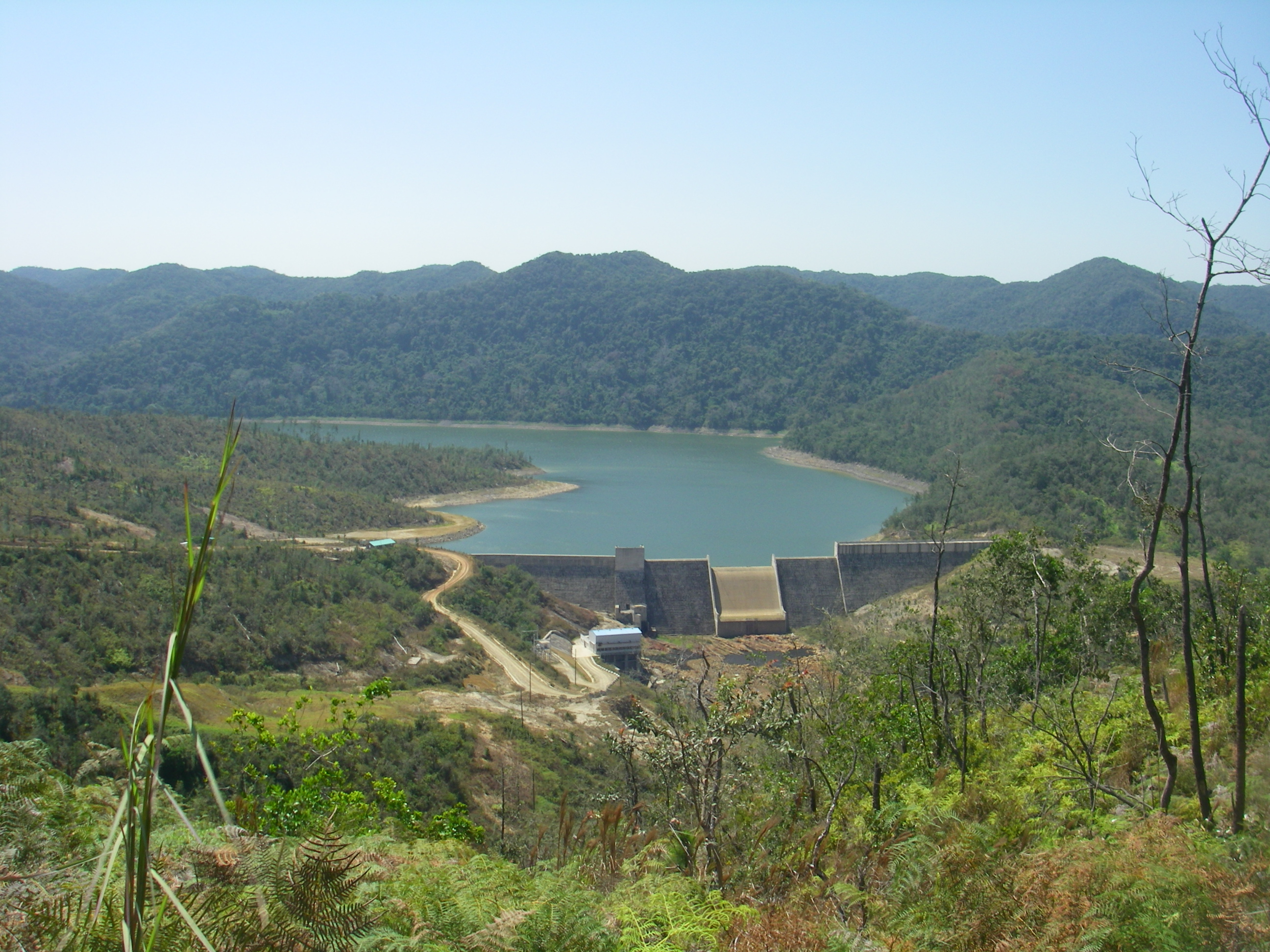
Belize’s hydroelectric system—primarily:
- Mollejon
- Vaca
- Chalillo
represents the backbone of domestic generation.
Through the Hydro Belize initiative, these assets are being repositioned under a hybrid structure involving:
- Public participation (share offering at ~BZD $29/share)
- Institutional investment (credit unions, SSB, pension funds)
- Bond financing to acquire remaining ownership
💰 THE REAL ACQUISITION COST
While no full transparent disclosure has been made, a grounded valuation places the hydro system at:
👉 BZD $250 million – $350 million
This includes:
- Physical infrastructure
- Generation capacity
- Long-term revenue potential
🔍 But Here’s the Critical Detail:
That cost is not paid upfront in cash.
It is financed through:
- Bonds
- Investor capital
- Long-term repayment structures
👉 Which means:
The dams are not “owned” free and clear—they are financed assets that must generate returns.
⚡ PART II — MCC FUNDS: WHO REALLY BENEFITS?
With the reallocation of US$20 million (≈ BZD $40M) under the MCC:
The funds will be used for:
- Upgrading hydro efficiency
- Improving reliability
- Strengthening grid integration
🔥 Critical Reality:
Public (foreign) funds are being used to enhance privately structured assets
This results in:
- Increased generation efficiency
- Higher output capacity
- Greater long-term profitability
👉 Without proportionally reducing consumer cost.
⚡ PART III — COST OF PRODUCING HYDRO POWER
Hydropower is one of the cheapest forms of energy after construction.
Estimated real cost of hydro generation in Belize:
👉 $0.16 – $0.24 BZD per kWh
This includes:
- Maintenance
- Operations
- Depreciation
⚡ PART IV — THE ENERGY MIX: WHERE COSTS RISE
Belize does not rely solely on hydro.
The system includes:
1. Hydro (Base Load)
- Cheapest source
- Stable
2. Imported Electricity (Mexico)
- Expensive
- Subject to external pricing
3. Diesel Generation
- Very expensive
- Used during peak or shortages
4. Natural Gas (Emerging Supply – Houston-linked)
- Moderate cost
- Still imported
💰 BLENDED COST OF ELECTRICITY
When combined:
👉 Estimated real system cost:
$0.25 – $0.35 BZD per kWh
⚡ PART V — WHAT BELIZEANS ACTUALLY PAY
Through Belize Electricity Limited (BEL):
👉 Average consumer rate:
$0.40 – $0.45 BZD per kWh
📊 THE GAP
Category Cost (BZD/kWh)
Hydro production 0.16 – 0.24
Blended system cost 0.25 – 0.35
Consumer price 0.40 – 0.45
🚨 Conclusion:
Belizeans are paying significantly above production cost
⚡ PART VI — WHERE THE MONEY GOES
The difference between cost and price is absorbed by:
1. Debt Servicing
- Bonds used to acquire hydro assets
- Financing costs
2. Transmission & Distribution
- Grid maintenance
- Infrastructure losses
3. Utility Margins
- Operational profits
- Return on investment
4. Energy Imports
- Mexico pricing
- Fuel volatility
5. System Inefficiencies
- Losses
- Regulatory limitations
⚡ PART VII — THE BELIZEAN HOUSEHOLD: REAL IMPACT
Let’s bring this home.
🏠 Average Monthly Consumption
👉 ~150–300 kWh per household
💵 Monthly Electricity Cost
At ~$0.42 BZD per kWh:
- 150 kWh → $63 BZD
- 300 kWh → $126 BZD
🔍 But If Priced at TRUE COST:
At ~$0.28 BZD per kWh (mid-range real cost):
- 150 kWh → $42 BZD
- 300 kWh → $84 BZD
🚨 Difference Per Household:
👉 $20 – $40 BZD extra per month
📉 Annual Impact:
👉 $240 – $480 BZD per family
⚡ PART VIII — THE HIDDEN STRUCTURE
This is where the system reveals itself.
Belize is not paying for:
- Electricity production
Belize is paying for:
- Financing structures
- Ownership models
- Imported dependencies
- Policy decisions
🔥 The Core Truth
Hydro power is cheap.
Electricity in Belize is not.
⚡ PART IX — THE MCC CONNECTION: A MISSED OPPORTUNITY
With MCC funds now improving hydro performance:
👉 The logical expectation would be:
- Lower generation cost
- Lower consumer prices
❗ But that is NOT guaranteed.
Because:
Improved efficiency increases profitability—unless pricing structures change
⚖️ PART X — THE NATIONAL QUESTION
Belize now faces a defining question:
Is the energy system designed to benefit the nation…
or to sustain the structure that controls it?
🔥 FINAL STRIKE
Belizeans are not being charged for electricity.
They are being charged for a system built on debt, dependency, and layered control.
And the most importantly:
Until the structure changes, no amount of new investment—whether from MCC, hydro upgrades, or foreign energy deals—will bring real relief to the Belizean people.
- Log in to post comments