Belize’s Municipalities Don’t Build Cities—They Chase Bills
By: Omar Silva – Editor/Publisher
National Perspective Belize – Digital 2026
Belize City: Wednesday 11th February 2026
Special Feature
Across Belize, a quiet frustration is building—not only among small shopkeepers and market vendors, but also among contractors, service providers, and professionals who keep local economies alive.
The complaint is not new, but it is growing louder:
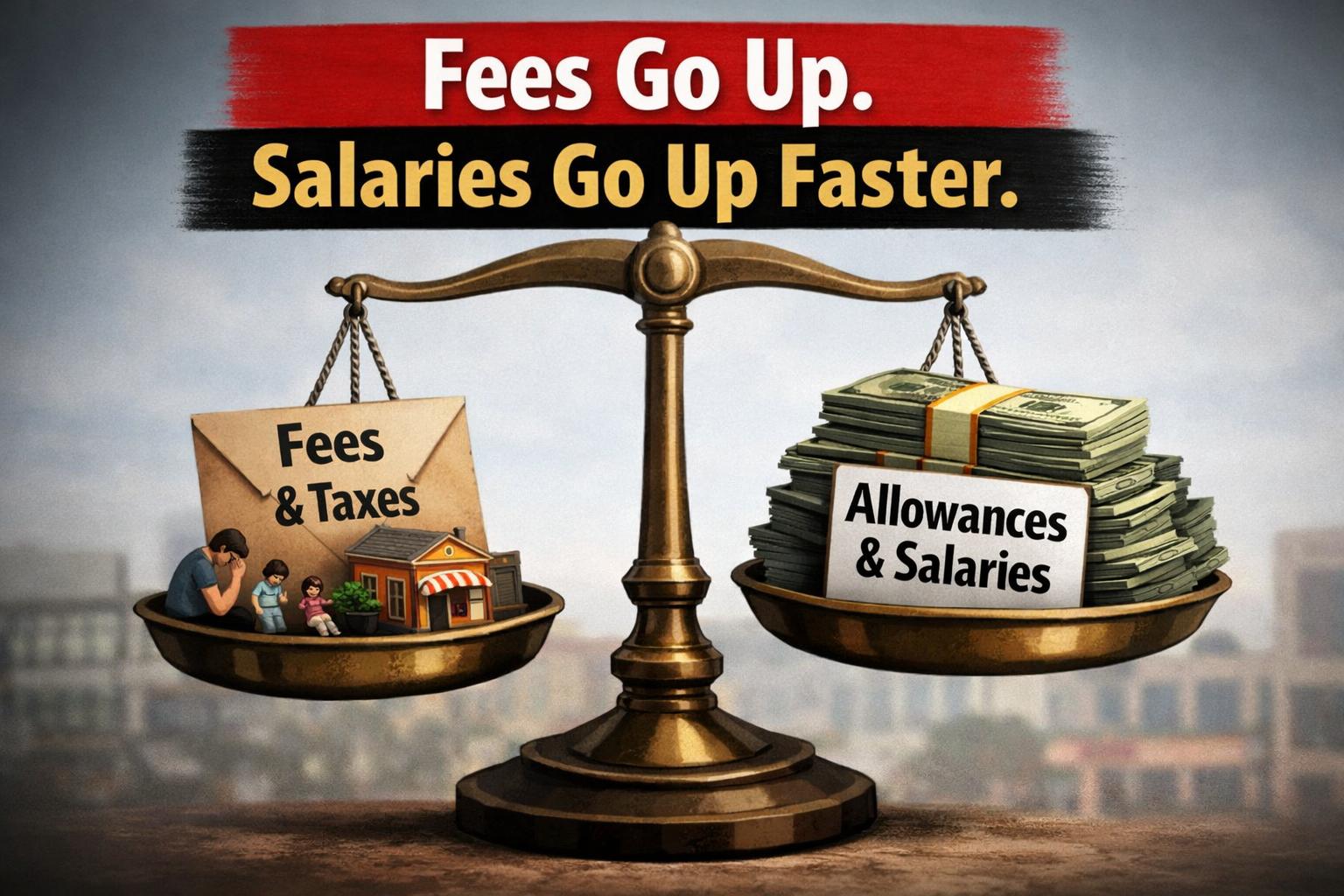
Businesses are being asked to pay more, yet towns and cities do not appear to be changing.
From Belmopan to Punta Gorda and from Belize City to Benque Viejo, the same questions are being asked:
- Why are fees rising while infrastructure stagnates?
- Why do reassessments arrive suddenly, often without preparation?
- Why are municipalities demanding payment in advance of laws being gazetted or fully implemented?
These are not partisan questions. They are economic realities.
The Business Squeeze Nobody Can Ignore
Before any municipal bill arrives, Belizean businesses are already fighting uphill.
They face:
- High import costs due to freight and foreign middlemen
- Customs duties and administrative charges
- Business Tax and GST obligations
- Rising electricity, fuel, and utility costs
- Increasing rents and lease rates
- Inflation in raw materials and supplies
Profit margins have been shrinking steadily. Many businesses are not expanding—some are closing doors, others are surviving.
Yet municipal demands often arrive without consideration of these pressures.
For a small business owner, a trade license or garbage fee increase is not just another line item.
It can mean cutting staff, reducing inventory, or closing altogether.
The Reality Inside Municipal Councils
To understand the problem honestly, we must also understand the other side.
Most municipalities in Belize operate with very limited revenue streams:
- Trade licenses
- Property rates
- Garbage collection fees
- Traffic and minor enforcement fees
- Small central government subventions
These are not development revenues.
They are survival revenues.
Municipalities must maintain streets, drains, sanitation services, and public spaces with budgets that barely cover operational costs.
In many cases, the majority of spending goes to:
- Salaries
- Fuel
- Equipment maintenance
- Basic service contracts
What remains for transformation is minimal.
So, councils collect—not to build—but to keep functioning.
Administrative Weaknesses That Hurt Everyone
Recent events in Belmopan revealed something troubling but not unique:
Files were incomplete. Records were missing. Businesses had been assessed inconsistently for years.
This points to a systemic issue:
Belize’s municipal systems are still operating with outdated record-keeping, weak digital infrastructure, and inconsistent enforcement.
When a new board or administration attempts to correct these weaknesses, the result is often shock reassessments.
Businesses feel punished for administrative failures that were never theirs.
Why Citizens See Little Transformation
Belizeans are practical people.
They are willing to pay if they see results.
Transformation means:
- Proper drainage that prevents flooding
- Streets resurfaced instead of repeatedly patched
- Reliable garbage collection systems
- Well-lit neighborhoods
- Organized markets and commercial zones
- Public spaces that are maintained and safe
But too often, the public sees:
- Temporary repairs
- Sporadic maintenance
- Projects announced but not completed
- No long-term urban plans communicated to residents
Activity is visible.
Transformation is not.
And the difference matters.
The Structural Trap Municipalities Are Stuck In
The deeper truth is this:
Municipal councils in Belize were never designed to be engines of urban transformation.
They were designed to manage towns—not modernize them.
They lack:
- Stable capital financing mechanisms
- Long-term infrastructure funding
- Professional planning units with modern tools
- National frameworks that support municipal development
Expecting transformation from operational budgets is unrealistic.
It is like asking a household to build a new home using only grocery money.
The Culture of Revenue First, Planning Later
Another problem is cultural, not just financial.
Many municipal systems still operate under a reactive model:
Collect first.
Plan later.
Explain afterward.
This approach creates distrust because businesses feel targeted rather than engaged.
A healthy municipal system should treat businesses as partners in development—not merely as payers of fees.
Without businesses, there is no local economy to sustain cities at all.
What Real Reform Would Look Like
If Belize is serious about transforming its towns and cities, structural changes are necessary.
1. Predictable, phased fee adjustments
No business should face sudden increases of hundreds of percent in a single cycle. Adjustments must be gradual and clearly communicated.
2. Separation of operational budgets from development funds
Cities cannot modernize using only maintenance money. Dedicated infrastructure financing is essential.
3. Digitization of licensing and property records
Blank files and inconsistent assessments should not exist in the modern era.
4. Transparent municipal audits and spending reports
Citizens should know where their money goes—in clear, understandable language.
5. Economic impact assessments before fee increases
Municipalities must consider inflation, imports, rent, and national taxes before imposing local burdens.
6. Shared services and modernization
Belize is small. Municipalities can reduce costs and increase efficiency through shared systems and regional cooperation.
7. Public capital plans with timelines
Citizens should be able to see what projects will be completed in the next three to five years—not just hear promises.
The National Conversation Belize Needs
This is not an attack on any single council.
It is a national issue.
The truth is uncomfortable but necessary:
Belize’s municipalities are not failing because of one mayor or one administration.
They are struggling because the system itself is outdated.
And until that system changes, the pattern will repeat:
Fees will rise.
Services will struggle.
Transformation will remain slow.
A Final Thought
Belizeans do not expect miracles.
They expect fairness, transparency, and progress.
If municipalities want public support, they must move beyond a collection mindset and adopt a development mindset.
Because at the end of the day:
Cities are not built by chasing bills.
They are built by planning,
investing, and leading with vision.
- Log in to post comments